
7 Virtual Phone Number Providers for Business (2026)
Choosing a virtual phone number provider for your business is a voice infrastructure decision that affects customer experience, compliance, and your long-term telecom strategy.
As a result, you should examine options carefully, comparing solutions against your top needs and long-term business goals. Ideally, you should pick a provider that can scale with your workflows and tools, and adjust to evolving technology without disruption.
This guide compares seven providers across the criteria that matter most to telecom and voice leads: global coverage, routing flexibility, integration depth, and operational control.
Here are the providers covered:
- AVOXI
- RingCentral
- 8x8
- Dialpad
- Nextiva
- Aircall
- Zoom Phone
Need virtual phone numbers that fit your broader voice strategy?
See how AVOXI helps businesses deploy virtual numbers with global coverage, flexible routing, and better visibility across their telecom stack.
Virtual Phone Number Provider Comparison Table
| Provider | Best For | Category / Platform Type | Core Capabilities | Global / Enterprise Fit |
|---|---|---|---|---|
| AVOXI | Enterprises building global voice strategies with distributed operations | Cloud voice platform | International DID provisioning (150+ countries), advanced call routing, real-time analytics, CRM/CCaaS integrations, BYOC support, failover protection | Strong: Purpose-built for multinational operations with deep coverage and infrastructure-level control |
| RingCentral | Organizations already standardized on RingCentral's UCaaS ecosystem seeking to extend | Unified communications platform | Unlimited VoIP calling, multi-level auto-attendant, business SMS/fax, device-agnostic access, visual voicemail | Moderate: 105+ countries for inbound numbers, best suited for existing platform users |
| 8x8 | Teams consolidating voice and contact center functionality | Cloud communications and contact center platform | Unlimited calling to 48 countries, intelligent routing, local number porting (120+ countries), videoconferencing, CRM integrations | Moderate: Broad international coverage with emphasis on unified communications suite |
| Dialpad | Organizations prioritizing modern UI, ease of administration, and AI-powered call features | AI-powered unified communications platform | On-demand number provisioning, customizable IVR, AI transcription and call recaps, call management tools, unified app | Limited: Primarily US/Canada focus with unlimited calling—international calling incurs additional fees |
| Nextiva | Companies modernizing business telephony with mainstream VoIP features and consolidation | Business communications platform | Local numbers (200+ area codes), toll-free numbers, multi-level auto-attendant, Find Me/Follow Me routing, business SMS/MMS | Limited: Strong domestic US coverage—international numbers available but not the core focus |
| Aircall | Customer-facing teams (sales, support) seeking operational simplicity | Cloud phone system | Virtual numbers in 100+ countries, customizable IVR, unlimited concurrent calls, call recording with compliance controls, team-oriented features | Moderate: International number availability with focus on ease of use over infrastructure depth |
| Zoom Phone | Organizations already invested in Zoom Workplace looking to extend calling | Business phone system | Business calling with SMS/MMS, auto-attendant, call recording and transcription, AI receptionist, mobile cellular support | Limited: Best for existing Zoom users—international calling supported but platform integration is primary value |
What Is a Virtual Phone Number for Business?
A virtual phone number for business is a cloud-based telephone number that routes incoming calls to any destination—mobile, landline, Voice over Internet Protocol (VoIP) endpoint, or contact center platform—without being tied to a physical phone line or specific location.
Virtual numbers operate through internet-based voice protocols, typically SIP trunking, and integrate directly into modern CCaaS and UCaaS environments.
From an enterprise voice architecture perspective, virtual numbers function as programmable endpoints within your broader communications stack. When a customer dials your virtual number, routing logic determines the destination based on rules you configure: time of day, caller location, agent availability, or CRM data.
This separation between the number and the physical endpoint creates flexibility that traditional telephony can't match.
The Best Virtual Phone Number Providers for Business
Each provider below is evaluated on global number coverage, routing flexibility, integration depth, analytics capabilities, and fit for enterprise voice infrastructure.
1. AVOXI
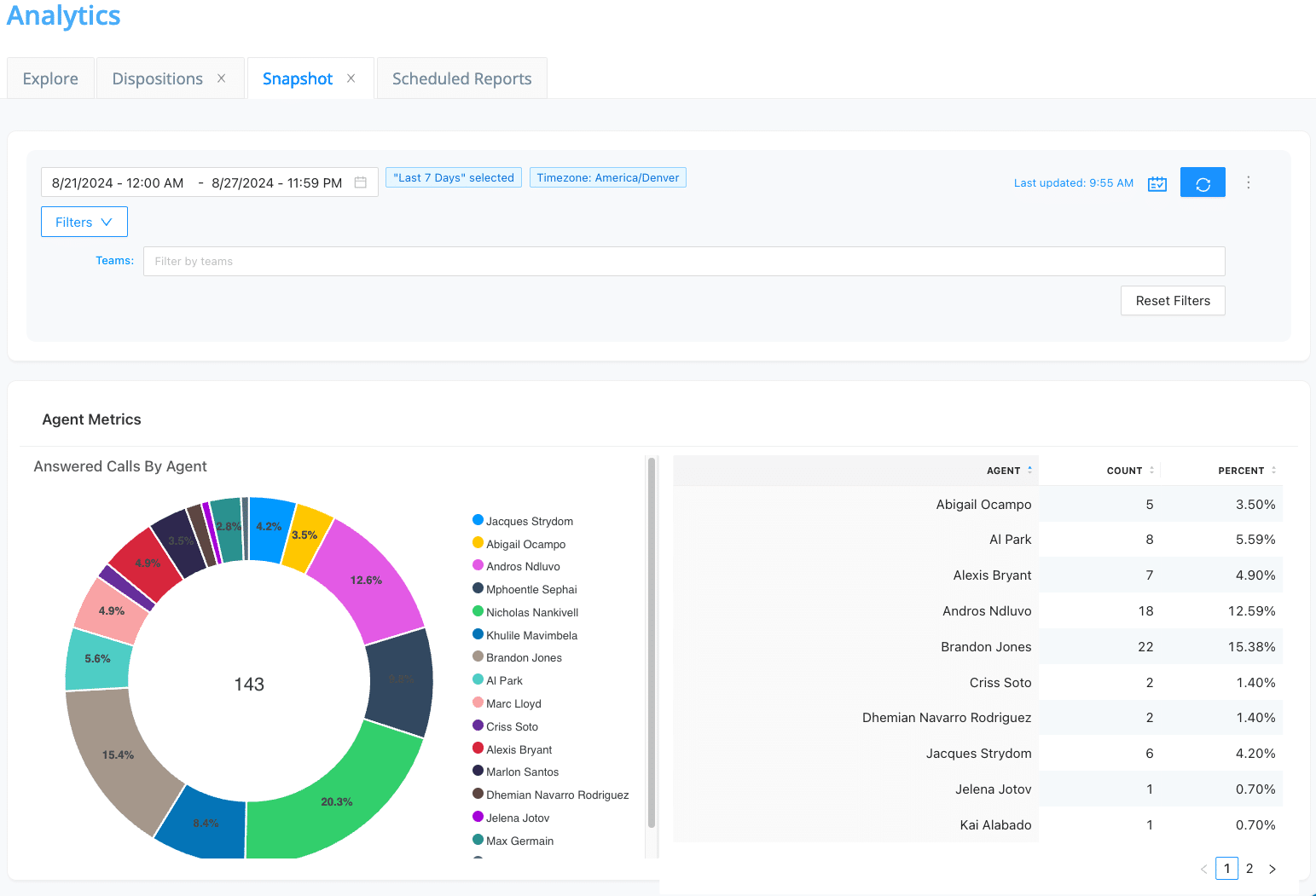
AVOXI is built for enterprises that need virtual phone numbers as part of a comprehensive global voice strategy. The platform combines international number coverage across 150+ countries with cloud voice infrastructure, advanced routing, real-time analytics, and deep integration support.
The platform is designed for organizations trying to simplify fragmented telecom operations, establish customer-facing presence in multiple markets, and maintain operational visibility across distributed voice environments.
Selected features
- Local DID coverage in 90+ countries: Local number provisioning in key markets without physical infrastructure
- Advanced call routing and failover: Time-of-day routing, geographic routing, sequential and simultaneous forwarding with built-in failover protection
- Real-time analytics and call performance monitoring: Tracking for call volume, duration, quality metrics, and regional performance from a unified dashboard
- BYOC support: Integrating with existing enterprise SIP infrastructure and preferred carriers while maintaining centralized management
- Native integrations with CCaaS and UCaaS platforms: Connectivity with Salesforce, Microsoft Teams, RingCentral, Zoom Phone, and other enterprise systems
- 20+ included VoIP features: Virtual attendant, voicemail-to-email, call recording, scoring, SMS forwarding (US/Canada), and browser-based softphone—all included without add-on fees
- Scalable provisioning and porting: Quick online activation, easy number porting through local carrier partnerships, no setup fees or long-term contracts
Example use cases
- Multinational enterprises establishing local presence in new markets without opening physical offices
- Distributed teams routing calls across time zones while maintaining consistent caller ID and brand identity
- Organizations consolidating multiple regional telecom providers into a single managed platform
- Companies migrating from legacy PBX systems to cloud voice while preserving existing number assets
- BPO and contact center operations requiring high-volume inbound capacity and detailed analytics
AVOXI's focus on global voice infrastructure makes it the strongest fit for telecom leads who need more than basic business calling—organizations that require strategic flexibility and the ability to scale voice operations across markets without adding complexity.
2. RingCentral

RingCentral is a cloud communications platform that includes virtual phone number capabilities as part of its broader UCaaS offering. It's best suited for organizations already standardized on RingCentral's ecosystem, where virtual numbers serve as one component of a larger voice, video, and messaging environment.
Selected features
- Unlimited VoIP calling and toll-free numbers: Domestic calling included with customizable local or toll-free number options
- Multi-level auto-attendant and IVR: Customizable greetings, time-of-day routing, and dial-by-name directories
- Device-agnostic access: Unified app for desktop and mobile with call forwarding, screening, and outbound caller ID control
- Business SMS and fax: Compliant SMS/MMS and internet faxing through business numbers
- Integration with collaboration tools: Native connections to Microsoft Teams, G Suite, Salesforce, and Slack
Example use cases
- Organizations already using RingCentral for video and messaging who want to add business phone capabilities within the same platform
- Companies seeking to consolidate voice, SMS, fax, and video under one vendor
- Teams prioritizing UCaaS platform alignment over specialized international voice infrastructure
RingCentral's strength is its unified communications breadth, making it a better fit for platform consolidation than for complex international voice strategies.
3. 8x8
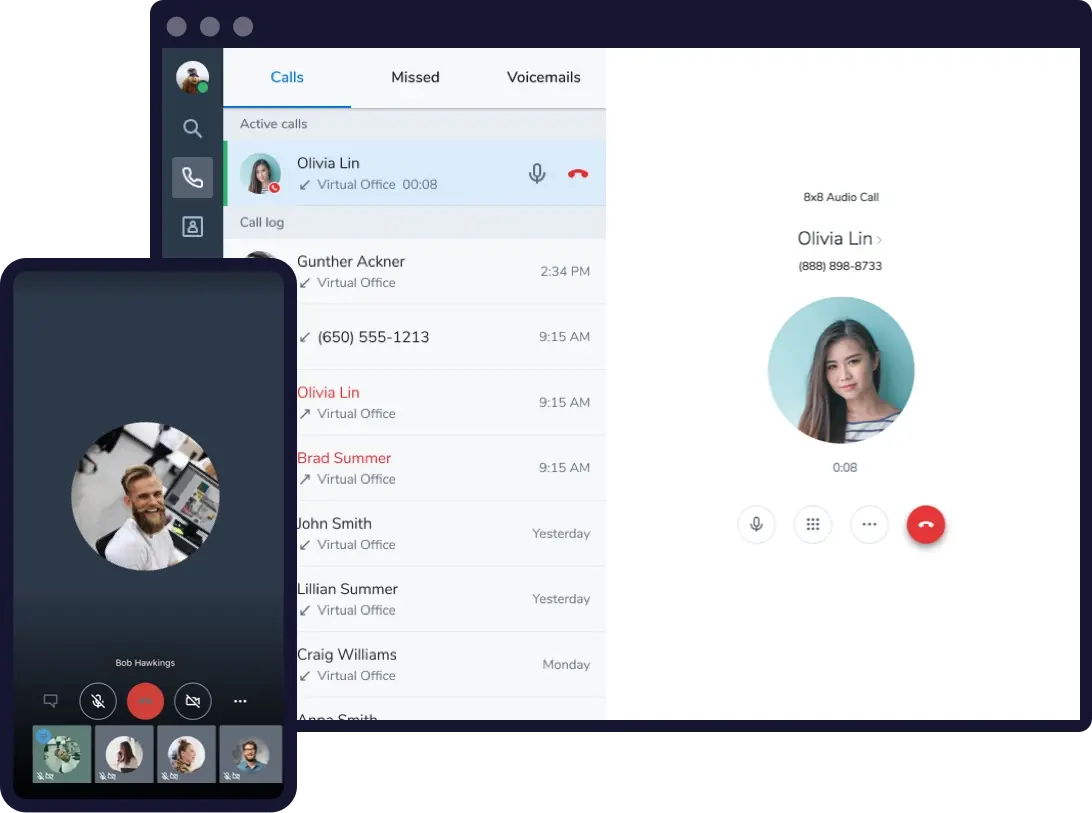
8x8 is a cloud communications and contact center provider that offers virtual number capabilities within a broader platform combining voice, video, and contact center functionality. It's best for organizations looking to consolidate communications tools within one vendor environment.
Selected features
- Unlimited calling to 48 countries: Domestic and international calling without per-minute charges, plus business SMS
- Multi-level auto-attendant and intelligent routing: Customizable call flows, forwarding rules, and ring groups
- Local and toll-free number porting: Retain existing numbers or acquire virtual numbers from 120+ countries
- Videoconferencing and mobility: HD video meetings and unified mobile app for voice and video from any device
- Contact center tools and analytics: Call monitoring, recording, and performance metrics for customer-facing teams
Example use cases
- Teams consolidating business communications and contact center operations into a single platform
- Organizations standardizing on 8x8 for unified communications and extending that investment to include virtual numbers
- Companies that want to manage calling, video, and messaging through one admin interface
8x8's value proposition is strongest when you're adopting the broader communications platform, not when virtual numbers are your primary focus.
4. Dialpad
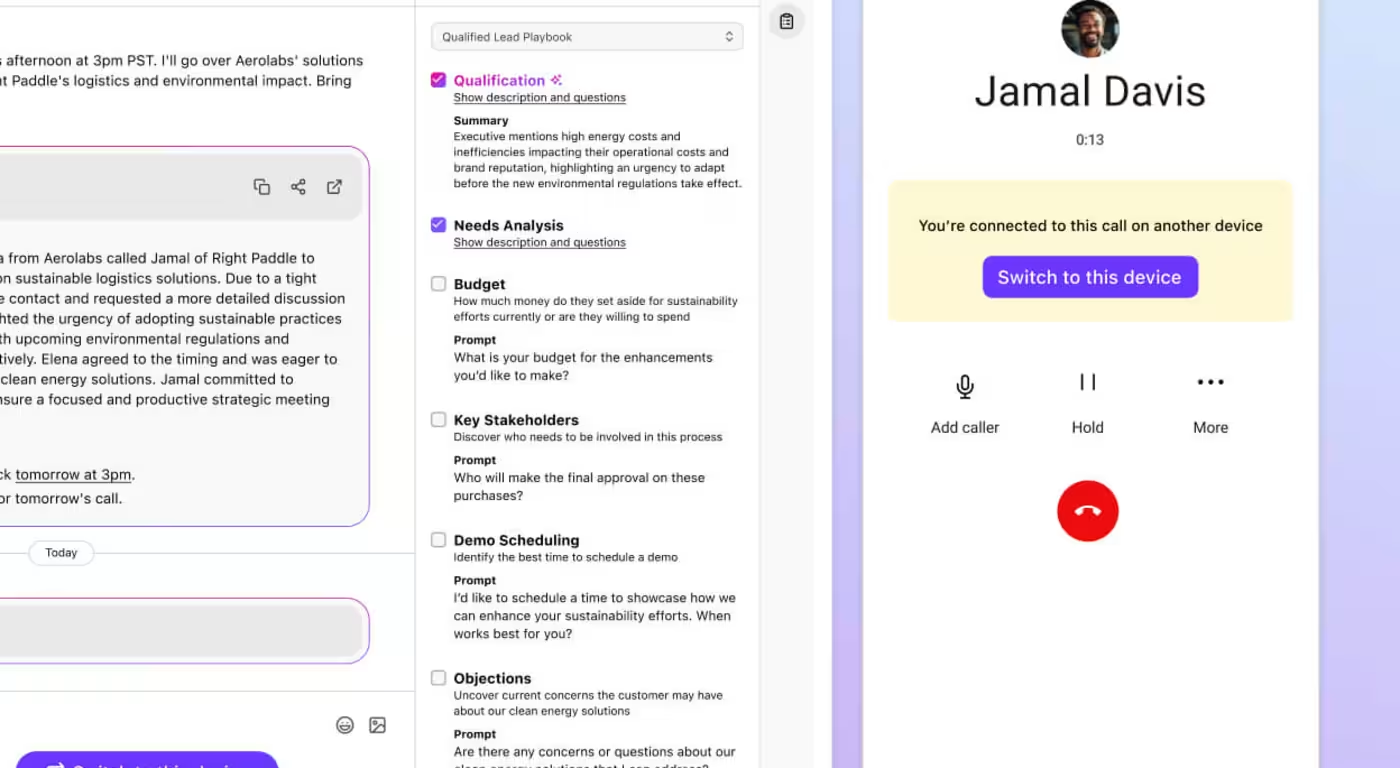
Dialpad is a cloud communications platform with virtual calling capabilities designed for teams that value a modern interface and simplified administration. It's best for organizations prioritizing ease of use over deep global infrastructure control.
Selected features
- On-demand number provisioning: Local numbers by area code accessed through an online dashboard, with toll-free as an add-on
- Customizable call routing and IVR: Customizable auto attendants with after-hours routing directly in the dashboard without IT support
- AI-powered call transcription and recaps: Real-time transcription, automatic call summaries, and action item extraction
- Unified app across devices: Calls, SMS/MMS (US/Canada), and video meetings that can be made through iOS, Android, desktop, or browser
- CRM and help desk integrations: Connections to Salesforce, HubSpot, and support tools for embedding voice into existing workflows
Example use cases
- Sales and support teams seeking a modern platform with business number functionality and minimal setup complexity
- Organizations prioritizing AI-assisted workflows over advanced telecom infrastructure features
- Remote or hybrid teams that want a unified app for voice, messaging, and video
Dialpad works well for teams that want accessible cloud-based business calling. Its infrastructure depth and international coverage are more limited compared to specialized voice platforms.
5. Nextiva
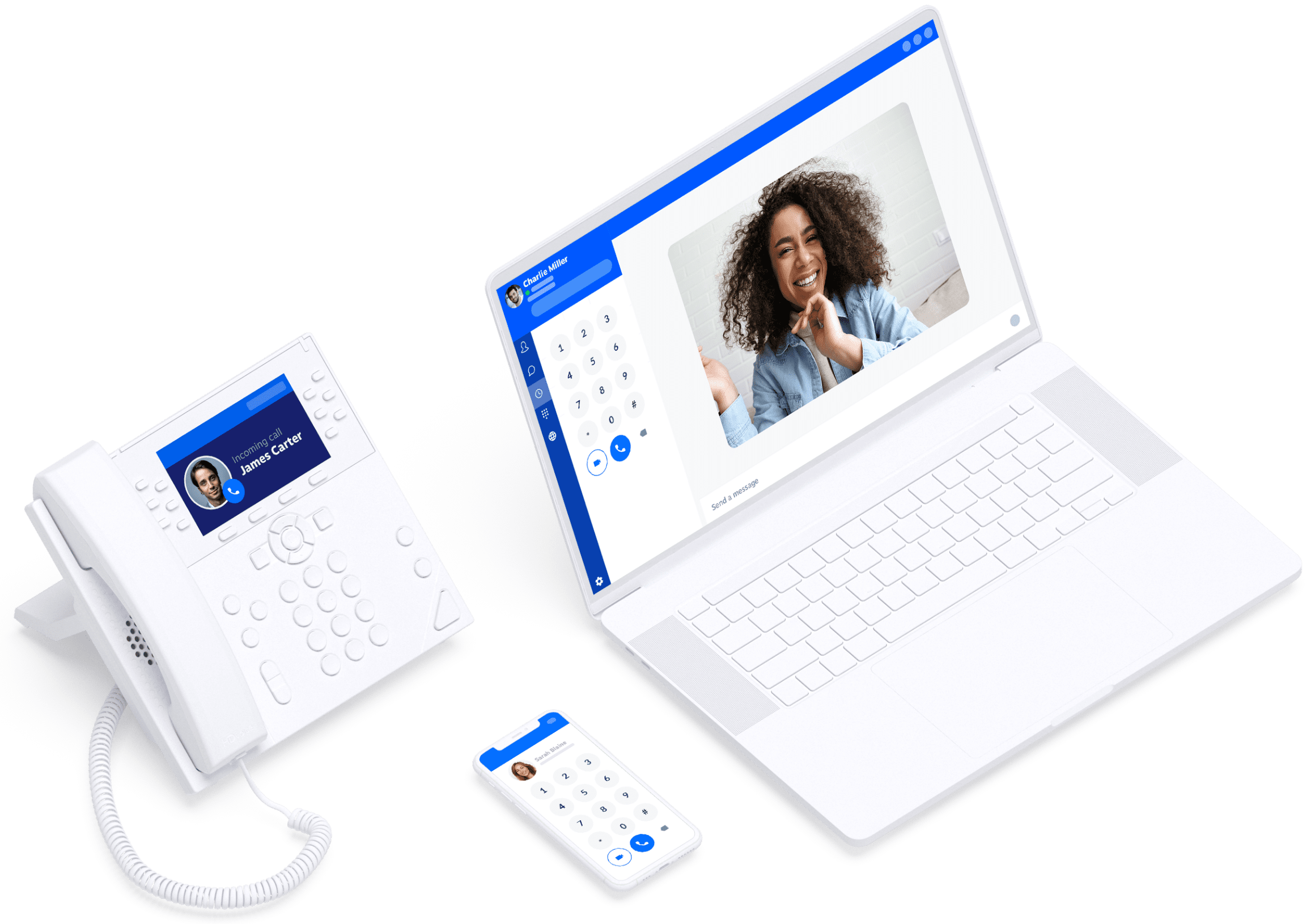
Nextiva is a business communications provider that delivers virtual phone functionality as part of a broader cloud-based phone system. It's best suited for organizations modernizing business telephony with mainstream calling features and service consolidation.
Selected features
- Multi-level auto-attendant and IVR: Customizable phone trees with unlimited extensions, custom greetings, and business-hour routing
- Smart call routing and forwarding: "Find Me/Follow Me" routes calls to mobile, landline, or VoIP devices based on caller ID or time of day
- Business SMS and MMS: Texting from virtual numbers via desktop or mobile apps
- Call recording and analytics: Record calls for training and compliance, track call volume by user or location
- Mobile and softphone app: Turn smartphones and laptops into business lines with preserved caller ID
Example use cases
- Companies modernizing legacy phone systems by moving to cloud-based business telephony
- Organizations consolidating voice, messaging, and video into a single communications platform
- Teams prioritizing ease of administration over complex multinational routing requirements
Nextiva delivers reliable business phone capabilities for organizations that value service consolidation and operational simplicity. For teams managing distributed voice infrastructure across multiple regions, platforms purpose-built for global voice offer more specialized capabilities.
6. Aircall
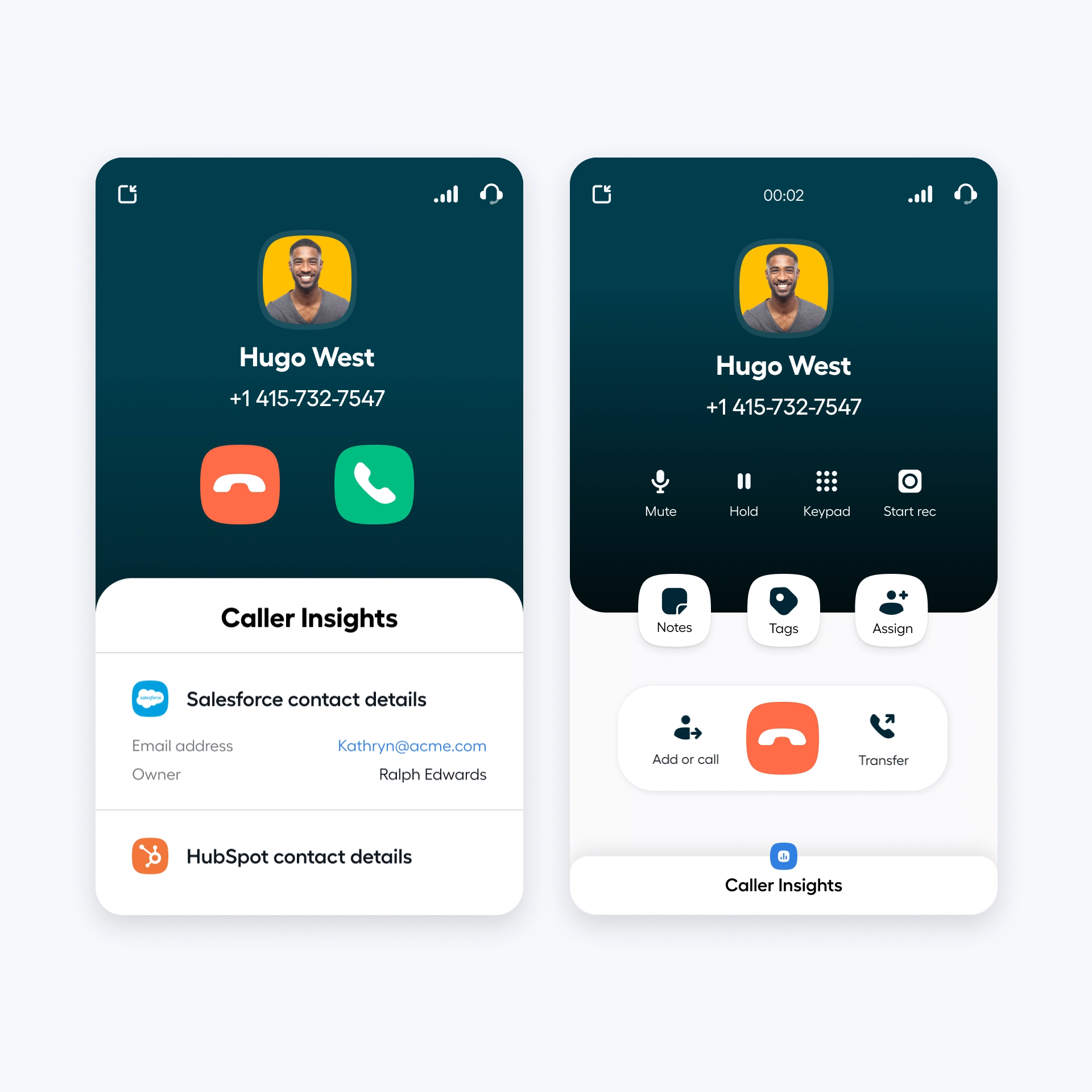
Aircall is a cloud phone system designed for customer-facing teams that need virtual numbers and call workflows in an easy-to-manage environment. It's best for support, sales, and operational teams prioritizing ease of setup over global coverage depth or enterprise-level telecom control.
Selected features
- Virtual numbers in 100+ countries: Local, toll-free, or international numbers to quickly establish regional presence
- Customizable IVR and call routing: Time-based routing, ring groups, and queue callbacks for efficient call handling
- Call management tools: Call recording with pause/resume, transcription, warm transfers, and live monitoring
- Integrations with CRM and helpdesk platforms: Connection with 100+ business tools including Salesforce for automatic call logging
- Mobile and desktop apps: Calls through iOS, Android, or desktop with 99.95% uptime
Example use cases
- Customer support teams managing inbound inquiries across multiple regions with straightforward routing needs
- Sales teams adopting cloud calling to replace desk phones and improve mobility
- Operational teams seeking quick deployment of virtual numbers with minimal IT involvement
Aircall works well for teams that value simplicity and fast deployment. Organizations that require deeper global coverage or infrastructure-level visibility will likely need a platform with broader enterprise voice capabilities.
7. Zoom Phone
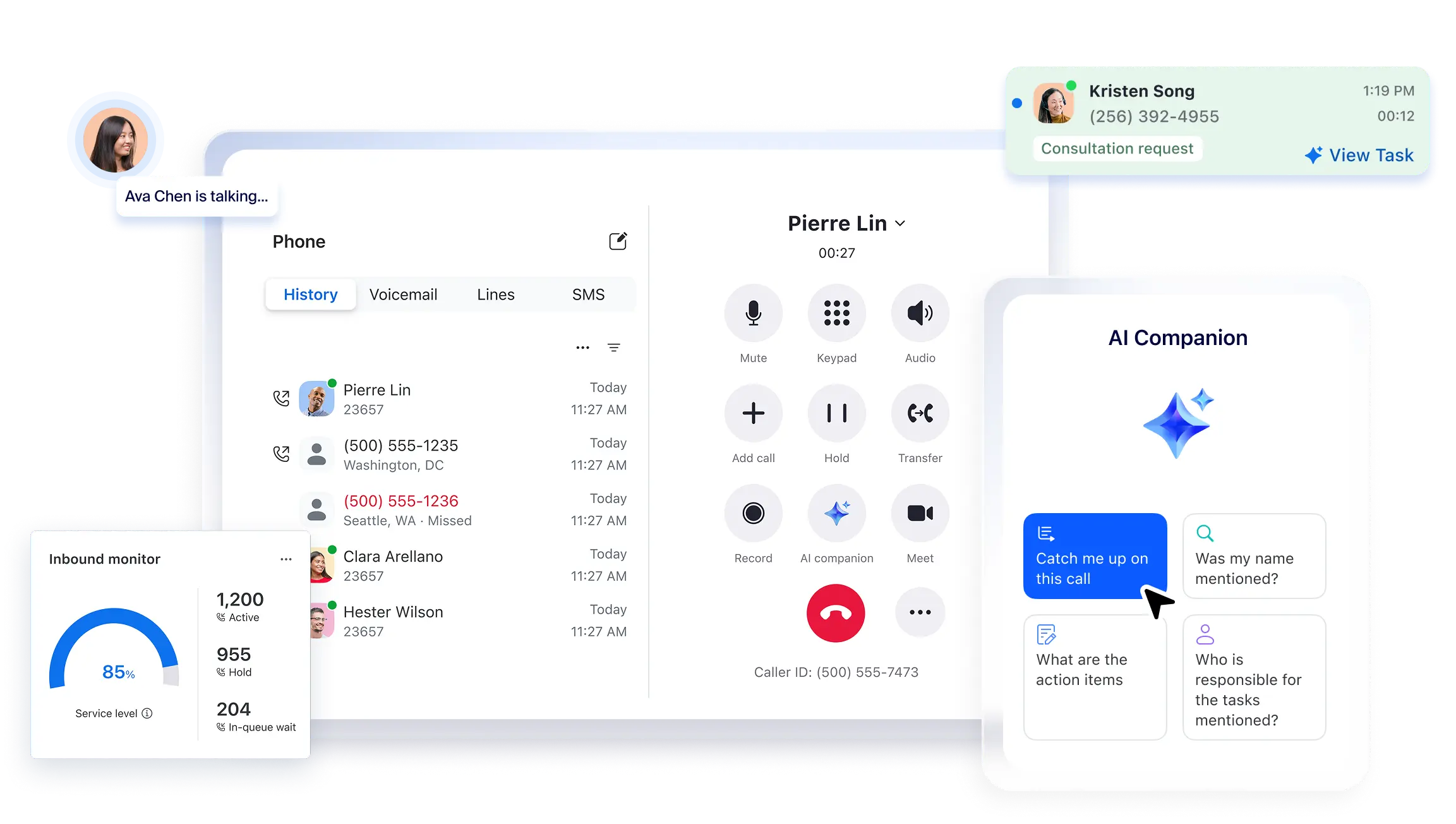
Zoom Phone is a business phone solution that supports virtual number needs within the broader Zoom communications ecosystem. It's best for organizations already invested in Zoom and looking to extend calling inside that environment.
Selected features
- Business phone numbers with calling and SMS: Assign local and toll-free numbers to users through the Zoom admin portal
- Auto-attendant and call routing: Customizable IVR menus, business hours scheduling, and rule-based forwarding
- Native Zoom ecosystem integration: Switch between calls, video meetings, and chat within the Zoom Workplace platform
- AI-powered call transcription and summaries: Automatic voicemail-to-text and post-call recaps with action items
- Mobile and desktop calling apps: iOS, Android, and browser-based interfaces with cellular network support through Zoom Phone Mobile
Example use cases
- Organizations already using Zoom Meetings and Zoom Chat who want to consolidate voice calling into the same platform
- Teams seeking to extend their existing Zoom investment with voice capabilities
- Companies prioritizing ecosystem convenience over specialized global voice infrastructure
Zoom Phone's value is strongest for organizations already committed to the Zoom ecosystem. For buyers evaluating virtual numbers as part of a broader international telecom strategy, platforms with deeper voice infrastructure focus will offer more flexibility and control.
Key Features to Look for in a Virtual Phone Number Provider
The right platform should support your current operations while scaling with your long-term strategy. Here are the capabilities that should drive your evaluation:
- Number availability and geographic coverage: Look for providers that offer direct inward dial (DID) numbers in your target markets, not just forwarding services. Verify local carrier relationships and provisioning speed for the countries you need.
- Call routing and management flexibility: Your provider should support time-of-day routing, intelligent failover, and the ability to route calls based on caller ID, region, or business hours—not just basic call forwarding.
- Integration with CCaaS, UCaaS, and CRM systems: Native integrations reduce manual data entry, improve call logging accuracy, and give your team better context during customer interactions.
- Analytics and reporting: Real-time visibility into call volume, answer rates, and regional performance is critical for optimizing global voice strategies. Look for dashboards that surface actionable insights, not just raw call logs.
- Scalability and provisioning support: The best providers let you add numbers and configure routing in minutes, handling growth without rigid contracts or infrastructure changes.
- Security and compliance considerations: Your provider should support encrypted call transport, secure SIP trunking, and audit trails for regulatory reporting—especially in healthcare, finance, or other regulated industries.
- Visibility and administrative control: Centralized dashboards that show active numbers, routing paths, and capacity consumption reduce dependency on vendor support and keep your team responsive when business needs change.
Choosing a virtual phone number for business is about finding a provider that aligns with your voice strategy and gives you the control to operate confidently across markets.
How to Choose the Right Virtual Phone Number Service for Your Business
Start by assessing whether the provider can support your current requirements while adapting to future growth—whether that means expanding into new markets, consolidating fragmented telecom vendors, or integrating with your existing CCaaS and UCaaS platforms.
Consider how the provider handles number provisioning and management at scale: if you're operating across multiple regions, you need a partner that can deliver local numbers quickly, maintain consistent call quality globally, and provide visibility into performance across your entire voice environment.
Questions to Ask Before You Decide
- Do you need a local presence in one market or across multiple countries? If you're operating across borders, you'll want a provider with deep geographic coverage and experience managing international number provisioning and compliance.
- Will the provider fit into your broader voice, CCaaS, or UCaaS environment? Virtual numbers need to integrate cleanly with your contact center platform, UCaaS stack, CRM, and analytics tools.
- How important are analytics, routing flexibility, and admin visibility? Confirm that granular routing rules and real-time dashboards are available out of the box.
- Are you trying to add another tool or consolidate providers? A provider that consolidates numbers, trunking, routing, and analytics in one platform may deliver more long-term value than managing multiple fragmented vendors.
- Will the solution support your long-term telecom strategy as you scale? A provider that works well for a pilot program may not have the infrastructure, compliance depth, or account management structure to support enterprise-scale operations.
Answering these questions up front helps you focus on strategic fit, ensuring the virtual phone number you choose today won't become a constraint tomorrow.
Implementation Considerations for Business Virtual Phone Numbers
Deploying a virtual phone number for business is only the first step. Successful implementation requires planning around provisioning workflows, routing logic, integration points, and ongoing performance monitoring with three main steps:
- Map your number provisioning process. Most cloud providers can activate new virtual numbers within minutes, but porting existing numbers—especially internationally—can take days or weeks depending on local carrier requirements. Build buffer time into your rollout schedule and confirm documentation requirements early to avoid disruptions to customer-facing operations.
- Configure your call routing rules before going live. Define how calls should flow during business hours versus after-hours, set up failover paths, and test these workflows thoroughly. Integration testing is equally critical: verify call data flows correctly into your CRM or CCaaS platform, screen pops display as expected, and recording and analytics features work across your full tech stack.
- Establish a performance monitoring cadence. Once live, track answer rates, call quality metrics, and routing accuracy across all regions. Set up alerts for anomalies like sudden drops in inbound volume or degraded audio quality, and ensure your team has a clear escalation path when issues arise.
Involve stakeholders from IT, telecom, customer experience, and compliance early to ensure your deployment aligns with broader voice strategy and delivers the reliability your customers expect.
Need virtual phone numbers that fit your broader voice strategy?
See how AVOXI helps businesses deploy virtual numbers with global coverage, flexible routing, and better visibility across their telecom stack.
FAQs about Virtual Phone Numbers for Business