

Microsoft Teams Direct Routing In India
Direct Routing connects Microsoft Teams to the Public Switched Telephone Network (PSTN) through a certified session border controller (SBC). This means organizations can use their existing phone numbers, telephony providers, or Private Branch Exchange (PBX) systems rather than relying solely on Microsoft Calling Plans.
Organizations gain several key advantages by implementing Microsoft Teams Direct Routing in India, including the following:
- Regulatory compliance: Ensure adherence to the Department of Telecommunications (DoT) and Unified License (UL) licensing mandates, including lawful business routing requirements.
- Operational flexibility: Integrate on-premises or hybrid PBX systems with Teams Phone for smoother migrations.
- Cost optimization: Reduce telecom spend by leveraging SIP trunks and local carriers while maintaining Microsoft 365 interoperability.
- Enhanced control: Gain visibility into routing, call quality, and SBC performance for troubleshooting and automation.
- Business continuity: Deliver reliable PSTN connectivity with built-in failover and certified SBC redundancy.
Over 5,000 Global Brands Trust AVOXI


















What Is Direct Routing? (And Why Does It Matter in India?)
Direct Routing is the technology that connects Microsoft Teams to the PSTN through an SBC. It enables businesses to make and receive phone calls, manage call routing, and retain their existing phone numbers with greater flexibility and control than Microsoft Calling Plans.
How Direct Routing Works
Here’s how Direct Routing works in practice:
- A certified SBC, either cloud-based or on-premises, serves as the secure intermediary between Teams Phone and your chosen telephony provider or PBX.
- The SBC establishes SIP trunk connections to the PSTN while managing interoperability, media encryption, and failover routing to ensure seamless and secure communication.
- Teams calls route via the SBC to the PSTN and back again, delivering complete voice and audio functionality directly within the Teams interface.
Why India Is Different
The DoT in India enforces strict rules around PSTN connectivity, UL licensing, and local breakout configurations. Only approved service providers are permitted to deliver PSTN access. Telecom policy prohibits international routing through uncertified data centers or SIP trunks.
That’s where compliance and expertise matter. A Direct Routing solution built for India must deliver the following capabilities:
- Deploy certified SBCs in compliant data centers and host them on trusted cloud platforms like Microsoft Azure.
- Partner with licensed telephony providers under India’s UL or Virtual Network Operator (VNO) framework.
- Ensure that lawful call recording, emergency calling, and number porting comply with Indian telecom standards.
In short, Direct Routing gives global organizations the control and flexibility they need. However, achieving success in a highly regulated market like India requires pairing that control with regulatory precision.
The Benefits of Direct Routing for Microsoft Teams in India
Implementing Microsoft Teams Direct Routing in India reshapes how enterprises manage voice, compliance, and collaboration across locations. Aligning telephony with Microsoft 365 enables businesses to achieve control, clarity, and cost efficiency within one unified system.
The following are some of the benefits:

Vendor Consolidation
A Direct Routing solution eliminates the need for multiple local carriers or piecemeal integrations. With one certified SBC that connects Teams to a telephony provider, enterprises can simplify operations, unify reporting, and centralize support. This single-vendor model also boosts accountability and provides consistent PSTN connectivity across regions.

Cost Optimization
Organizations can keep their existing phone numbers and SIP trunks, avoiding high Microsoft Calling Plan fees while maintaining full Teams functionality. This approach provides access to competitive Indian telecom rates through Direct Routing, further reducing overall communication costs without compromising performance, interoperability, or reliability.

Global Scalability
Direct Routing supports both on-premises and cloud-based deployments, allowing for seamless voice expansion across borders. By leveraging this flexibility, enterprises with regional offices can integrate their PBX systems, remote users, and contact centers into a single unified Teams Phone environment. This integration ensures consistent call routing and centralized policy management across all locations.

Full Compliance with DoT and TRAI
Compliance is the cornerstone of any telephony provider operating in India. A compliant Direct Routing provider ensures lawful PSTN access, enforces local breakout routing, and adheres to DoT and Telecom Regulatory Authority of India (TRAI) regulations. This not only protects businesses from penalties but also enables legal, traceable voice calls and number porting under India’s strict telecom framework.

Improved Call Quality and Reliability
Using a Microsoft-certified SBC with SLA-backed real-time monitoring guarantees call stability and audio clarity. Failover routing and Azure-hosted data centers reinforce this reliability and prevent downtime, while built-in diagnostics enable proactive troubleshooting before issues affect users.
The outcome is a resilient, enterprise-grade Microsoft Teams calling experience built for India’s regulatory and network environment.
Architecture and Compliance Built for India
AVOXI’s Microsoft Teams Direct Routing architecture is purpose-built for India’s telecom landscape, where strict compliance and reliability are essential. It combines regulatory adherence, PSTN connectivity, and enterprise-grade uptime in a single managed solution.
Designed for compliance, every AVOXI component—from certified SBCs to Azure-hosted infrastructure—aligns with DoT and TRAI requirements while maintaining global interoperability for Microsoft Teams users.
To understand how this compliance-ready design translates into everyday performance, here’s a breakdown of the key components that make AVOXI’s Direct Routing solution both secure and resilient:
Built-In Location-Based Routing
In India, location-based routing (LBR) is a regulatory requirement for enterprise voice traffic. To meet this mandate, AVOXI’s Direct Routing solution automatically routes calls through licensed local carriers and compliant data centers based on each user’s location. This built-in feature satisfies DoT licensing requirements, prevents cross-border PSTN traffic violations, and enables enterprises to operate legally while maintaining seamless Teams Phone functionality across regions.
Resilient SBC Architecture
AVOXI deploys a high-availability SBC framework that maximizes uptime and stability. This framework operates through a geo-redundant network of SBCs across compliant Indian data centers, ensuring consistent call routing, rapid failover, and continuous performance monitoring.With 99.995% uptime and automated rerouting during disruptions, businesses can rely on uninterrupted voice calls, even during peak demand or localized outages.
Enterprise Security
Every Teams calling session uses Transport Layer Security (TLS) and Secure Real-Time Transport Protocol (SRTP) encryption to provide end-to-end data protection and secure signaling. The Direct Routing layer monitors all voice traffic for fraud, enforces authentication controls, and detects anomalies in real time. This proactive, security-first approach from AVOXI protects enterprise telephony infrastructure from unauthorized access while fully complying with both global and Indian telecom data protection standards.
Direct Routing vs. Operator Connect India
Choosing between Direct Routing and Operator Connect often comes down to the level of control, compliance, and customization an organization requires. Both connect Teams to the PSTN, but Direct Routing provides the flexibility and control needed for complex regulatory environments like India.
| Compliance | Fully compliant with DoT, UL, and VNO rules via AVOXI’s local infrastructure | Uses only approved local carriers |
| Flexibility | Bring your own carrier or global SIP trunk | Fixed carrier relationship |
| Scalability | Over 150 countries with unified management | Restricted to India |
| Visibility and Control | Full control of routing, SBCs, and diagnostics | Carrier-managed |
Compliant India Telecom
for Enterprises
Every component of AVOXI’s telephony infrastructure, from SBC deployment to data routing, aligns with DoT and TRAI mandates, enabling seamless, lawful, and reliable PSTN connectivity for Microsoft Teams users. Here’s how:


Licensed and Verified
AVOXI is fully compliant and operates under approved UL, International Long Distance Operator (ILDO), and VNO frameworks. This verified compliance enables enterprises to extend their Teams Phone functionality within India’s legal boundaries, ensuring that all voice calls and SIP trunk connections align with national telecom standards.
No Toll-Bypass Risk
India’s DoT regulations strictly prohibit toll bypass, which is the unauthorized routing of PSTN traffic. AVOXI’s platform solves this compliance challenge with automatic location-based routing, which directs all outgoing and incoming calls through the appropriate local gateways.
This intelligent routing framework not only enforces lawful call handling but also preserves seamless interoperability between Teams clients, telephony providers, and certified SBCs.
Audit-Ready Infrastructure
AVOXI’s cloud-based network adheres to Indian data residency and security standards, providing the foundation for compliant voice operations. To maintain full audit readiness, all voice traffic, signaling, and call records are processed through approved data centers.
With built-in security features like TLS/SRTP encryption, role-based access, and proactive monitoring, AVOXI delivers enterprise-grade transparency, making it a trusted Direct Routing provider for compliance-driven organizations operating in India.
How to Choose the Right Direct Routing Partner Avoxi
Selecting the right Direct Routing partner impacts an enterprise’s ability to achieve the critical balance of compliance, reliability, and user experience, particularly in regulated markets like India.
The ideal provider should combine telephony expertise, certified SBC infrastructure, and end-to-end support to ensure a seamless transition from traditional PBX systems to modern Teams Phone environments.

Local and Global Coverage
With Microsoft-certified SBCs in Mumbai, Delhi, and Chennai, AVOXI ensures lawful PSTN connectivity across India. Globally, the platform’s footprint spans over 150 countries, enabling consistent call routing, failover, and telephony provider management within a single platform.

CCaaS and UCaaS Integration
Enterprises can seamlessly integrate AVOXI’s Direct Routing solution with leading contact center and unified communications platforms, including Genesys, NICE, Five9, Teams, and Zoom. This robust interoperability enables enterprises to consolidate voice calls, messaging, and video conferencing into a single system, freeing them from the complexities of multi-vendor setups.

Compliance Expertise
Backed by deep knowledge of DoT, TRAI, and enterprise routing frameworks, AVOXI ensures that every SIP trunk, LBR policy, and PSTN connection adheres to India’s telecom standards. Its dedicated compliance team also manages all licensing, documentation, and porting requirements to reduce regulatory risk and deployment delays.
Proactive Diagnostics
AVOXI’s Call Insights tool provides real-time visibility into voice quality metrics, including MOS scores, latency, and packet loss, across all Teams endpoints. Beyond visibility, automated alerts and analytics dashboards empower enterprises to detect and resolve performance issues before they affect user experience or SLA targets.
Fast, Phased, and Proven Migration
A structured, phased migration approach minimizes downtime, preserves PSTN connectivity, and ensures regulatory compliance at every stage. The following roadmap streamlines migration from legacy PBX systems or telephony providers to a modern Teams Phone environment ready for scale and reliability:
01
Assess
Migration begins with a full assessment of the existing telephony infrastructure, including SIP trunks, phone numbers, and PBX configurations. This stage focuses on identifying regional routing needs, evaluating DoT and TRAI compliance requirements, and mapping how current workflows will transition into the Microsoft Teams environment.
02
Design
Solution architects design the Direct Routing setup by choosing certified SBCs, creating location-based routing rules, and linking both local and global telephony providers. This stage ensures the final system is highly reliable, fully compliant, and works smoothly with Microsoft Teams and any existing communication tools.
03
Connect
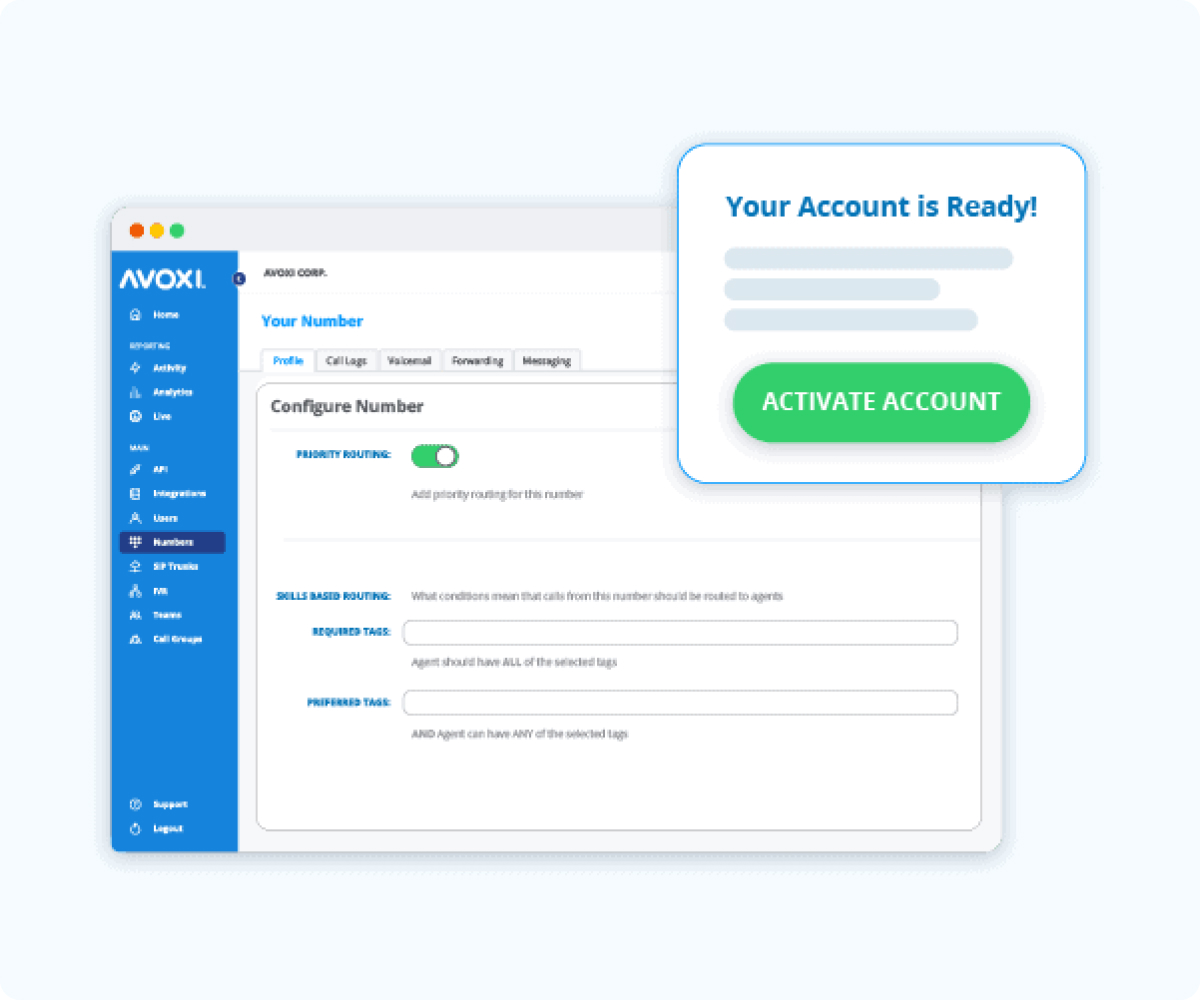
Once the design is finalized, engineers configure the SBCs and connect them directly to Microsoft 365 and the enterprise’s PSTN carriers. This action secures SIP trunking with TLS/SRTP encryption, enables real-time monitoring, and builds the technical foundation for Teams calling and unified communications.
04
Pilot
A controlled pilot that validates call routing, voice quality, and compliance behavior under live conditions is essential before an organization-wide rollout. Next, IT teams test emergency calling, number porting, and Direct Routing functionality across departments to ensure every feature performs as expected.
05
Go Live
After successful validation, the team deploys the solution company-wide and initiates continuous performance monitoring. During this phase, migration specialists onboard users, refine call flows, and configure analytics to ensure a seamless transition and maintain optimal system performance. The result is a compliant, reliable, and fully managed Microsoft Teams Direct Routing environment that’s ideal for long-term growth and effortless scalability.
Reviews from Our Customers
Don't just take our word for it. See why thousands of businesses trust AVOXI
as their global SIP trunk provider.

AVOXI has helped us to grow our business across the globe. As we expand into new countries, we just get a new number from AVOXI. They make it simple and cost effective. Service is amazing. We highly recommend using them.
Brad Taylor Executive/ Owner

As someone working for a Contact Center as a Service (CCaaS) company, Avoxi has been a good partner on every stage of the project, since the initial onboarding to their support and Account Managers team. Highly recommended if you need voice solutions worldwide.
Oscar Orozco Carrier Operations Engineer
Great DID services. Very broad coverage with instant activation for most countries we need. Sound quality is high grade and prices are fair to use.
Ami Shalmon CEO

AVOXI has a comprehensive system that allows for all your call center needs. Easy to work with, support is great. Great rapport with the product managers and support team to fix opportunities and create new innovations.
Vito Vicario Software Implementation Administrator
FAQ About Direct Routing in India

Try the Top Direct Routing Solution in India
Learn how AVOXI’s Microsoft Teams Direct Routing can support your business in India and worldwide.