

Choosing a SIP trunk provider comes down to a few essential questions:
- Will call quality hold up across every region you operate in?
- Can the network reach the countries your teams and customers are in?
- Does security meet your compliance bar
- Does pricing scale without additional hidden costs?
This guide will help you answer those questions with an overview of 15 of the best platforms so you can compare them on key features, weaknesses, global reach, and trial options, and decide which is the best fit for your operations.
Need a SIP trunk provider that holds call quality steady across every region you operate in?
With AVOXI, you can run voice across 150+ countries on one platform, with Tier-1 carrier routing and 99.995% uptime behind every call.
Top SIP Trunk Providers Comparison
The table below summarizes each provider's best use case, standout features, and global reach.
| AVOXI | Multinational enterprise voice | Instant channel activation, call analytics, custom routing | 150+ countries | Free demo |
| Twilio | Programmable voice solutions | API integration, global reach, elastic scaling | 100+ countries | 30 days |
| 8x8 | Unified communications (UC) | Unified platform, quality monitoring, compliance tools | Multi-region | No |
| Vonage | Transitioning from traditional lines to VoIP | Number porting, dynamic bandwidth, fraud protection | North America focus | 30 days |
| RingCentral | Integrated communications suite | HD voice, smart call routing, network analytics | Multi-region | 14 days |
| Nextiva | Reliability and customer support | Auto-provisioning, call recording, failover protection | North America focus | 7 days |
| Dialpad | AI-powered voice intelligence | Voice intelligence, smart routing, team collaboration | Multi-region | 14 days |
| Plivo | API flexibility and global reach | Global infrastructure, number intelligence, webhooks | 195+ countries | 14 days |
| Flowroute | Precise control over voice services | Number portability, route management, CDR access | US focus | Yes |
| Telnyx | Security and compliance | Private network, dynamic failover, number inventory | Multi-region | 30 days |
| AstraQom | International coverage | Global coverage, rate management, fraud detection | 60+ countries | No |
| SIP.US | Simplicity and reliability | Instant activation, PBX compatibility, DID management | US and Canada | 60 minutes |
| Bandwidth | Enhanced control and reliability | Network control, E911 management, messaging integration | US-owned network | Yes |
| CallTower | Managed UC services | Managed service, UC integration, QoS management | Multi-region | Yes |
| IntelePeer | Automation and CPaaS capabilities | Automation tools, communications API, compliance tools | Multi-region | 30 days |
Note: Data is current as of June 2026. Most of these SIP trunk providers offer volume discounts on both pay-as-you-go and monthly pricing.
The Top SIP Trunking Providers
SIP trunking connects your business phone system to the internet, offering a cost-effective alternative to traditional phone lines. Below, we review the leading providers to help you make the best choice for your business needs.
1. AVOXI
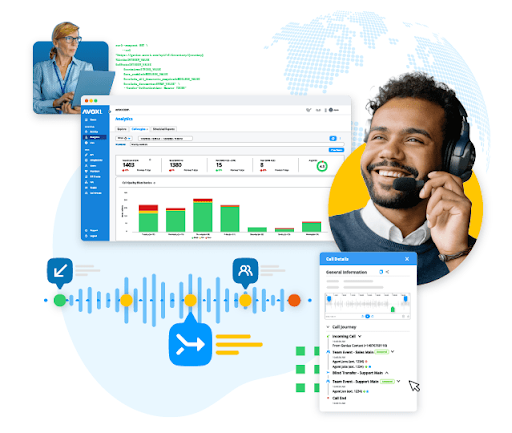
AVOXI is an award-winning global SIP trunk provider built for multinational enterprises that need consistent voice across borders. Its SIP trunking service spans 150+ countries on 80+ tier-1 carriers, with instant channel activation and over 20 VoIP features such as custom caller ID, call recording, and time-of-day routing.
For high-volume operations, AVOXI also offers wholesale SIP trunking with flexible capacity, plus native Microsoft Teams Direct Routing.
Key Features
- Channel management: Set up and modify trunk channels instantly via an intuitive dashboard.
- Call analytics: Monitor call quality, usage patterns, and costs in real time with detailed reporting tools.
- Network redundancy: Tier-1 carrier networks and redundant global infrastructure back 99.995% uptime for your business calls.
- Custom routing: Create personalized call routing rules based on time of day, location, or available agents.
Pros
- Pay-as-you-go pricing with no hidden fees or contracts
- Over 20 included VoIP features at no extra cost
- Same-day activation and deployment
- 24/7 live support with a dedicated account manager
Cons
- Requires initial configuration and familiarization
- Depends on a strong internet connection for optimal performance
Trial/demo/plan:
- Offers a free demo, custom pricing plans, and volume-based discounts.
Ready to consolidate global voice onto a single carrier-grade network?
AVOXI lets you provision local numbers, scale channels on demand, and manage every region from one dashboard.
2. Twilio
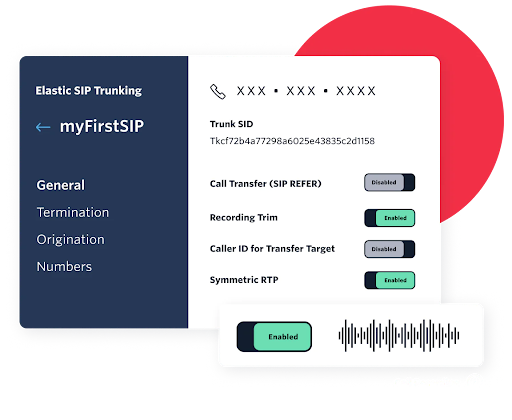
Twilio's elastic SIP trunking platform caters to developers and businesses that are looking for programmable voice solutions. Its API-first approach also makes it ideal for companies that want custom communications applications.
Key Features
- API integration: Build custom voice applications using well-documented REST APIs and SDKs.
- Global reach: Connect to carrier networks in over 100 countries through a single interface.
- Elastic scaling: Automatically adjust capacity based on your call volume needs in real time.
- Failover management: Configure automatic failover routes to ensure continuous service availability.
Pros
- Extensive developer tools and documentation
- Flexible pay-as-you-go pricing model
- Advanced call routing capabilities
Cons
- Complex setup for non-technical users
- Variable support response times
Trial/demo/plan:
- Offers a free trial for 30 days.
3. 8x8
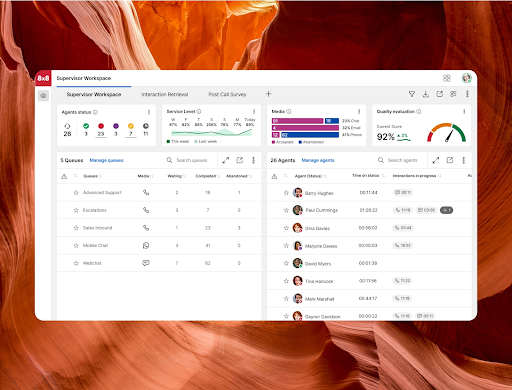
8x8 combines SIP trunking with its broader UC platform. This makes it a strong choice for businesses looking for an all-in-one solution.
Key Features
- Unified platform: Access voice, video, chat, and contact center tools in a single interface.
- Quality monitoring: Track call quality metrics and network performance in real time.
- Compliance tools: Maintain HIPAA, GDPR, and other regulatory compliance requirements automatically.
- Disaster recovery: Implement automatic failover and redundancy across different regions.
Pros
- Comprehensive security certifications
- Advanced analytics capabilities
- Reliable technical support
Cons
- Requires minimum commitment
- Limits flexibility in carrier selection
Trial/demo/plan:
- Offers a live demo.
4. Vonage
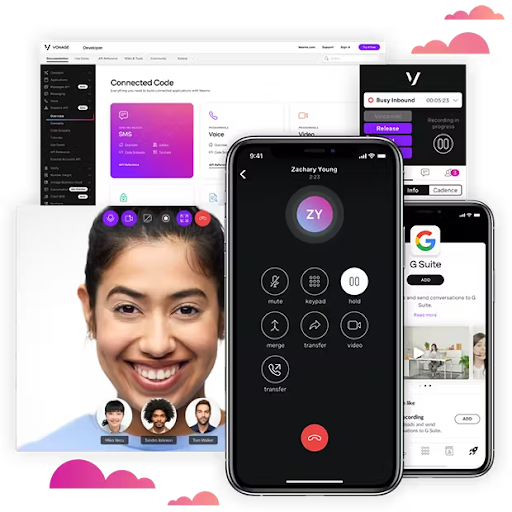
Vonage brings decades of VoIP experience to its SIP trunking service and offers a reliable solution for businesses that are transitioning from traditional phone systems to VoIP.
Key Features
- Number porting: Transfer existing phone numbers to Vonage with automated status tracking.
- Dynamic bandwidth: Adjust your voice channel capacity based on real-time business needs.
- Fraud protection: Shield your business with advanced fraud detection and prevention tools.
- Emergency services: Configure E911 services with automatic location updates.
Pros
- Simple migration path from traditional PBX
- Extensive coverage across North America
- Built-in business continuity features
Cons
- Annual contract requirements
- Limited advanced customization options
Trial/demo/plan:
- Offers a free trial for 30 days.
5. RingCentral
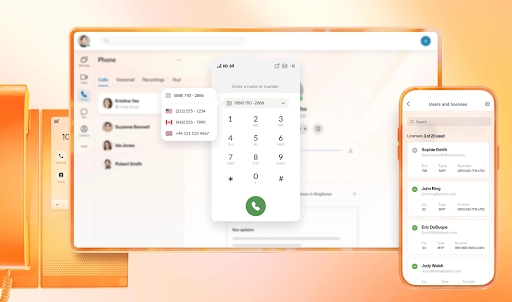
RingCentral offers SIP trunking as part of its comprehensive communications suite. This is ideal for businesses seeking integrated UC capabilities.
Key Features
- HD voice: Ensure crystal-clear call quality with HD audio codecs and QoS monitoring.
- Smart call routing: Direct calls based on custom rules, schedules, and agent availability.
- User management: Control access and permissions through role-based administration tools.
- Network analytics: Monitor network performance and call quality in real time.
Pros
- Robust UC integration
- Strong security and encryption
- Reliable uptime performance
Cons
- Higher pricing for advanced features
- Complex implementation process
Trial/demo/plan:
- Offers a 14-day free trial.
6. Nextiva
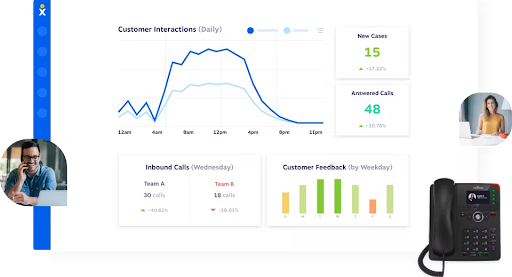
Nextiva provides a business-focused SIP trunking solution with an emphasis on reliability and customer support. It's suitable for small- to medium-sized businesses (SMBs).
Key Features
- Auto-provisioning: Set up new lines and services with automated configuration tools.
- Call recording: Capture and store calls with advanced search and retrieval options.
- Failover protection: Maintain service with automatic backup connections and routing.
- Number management: Handle number porting and provisioning through a single interface.
Pros
- Excellent customer support reputation
- User-friendly administration portal
- Quick deployment options
Cons
- Limited international coverage
- Basic feature set compared to competitors
Trial/demo/plan:
- Offers a 7-day free trial.
7. Dialpad
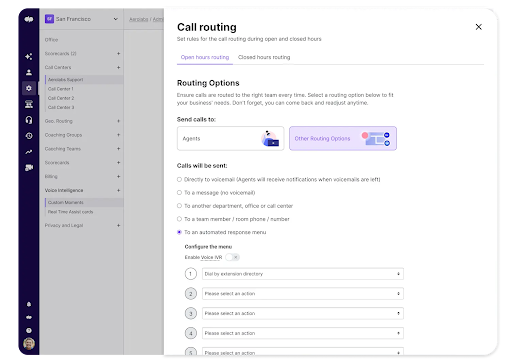
Dialpad stands out with its AI-powered voice intelligence features. It also offers modern businesses advanced call analytics and automation capabilities.
Key Features
- Voice intelligence: Transcribe calls and analyze conversations with built-in AI tools.
- Smart routing: Direct calls using AI-powered routing decisions and availability.
- Team collaboration: Connect voice services with messaging and video platforms.
- Custom APIs: Build custom integrations with extensive API documentation.
Pros
- Advanced AI capabilities
- Modern, intuitive interface
- Strong mobile experience
Cons
- Premium pricing for AI features
- Learning curve for advanced features
Trial/demo/plan:
- Offers a 14-day free trial.
8. Plivo
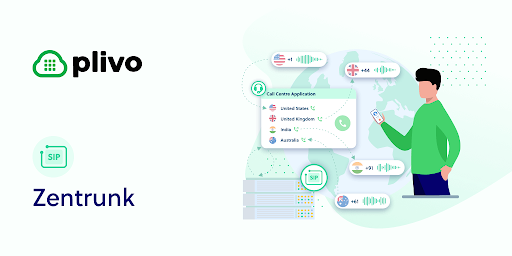
Plivo's developer-friendly SIP trunking solution, Zentrunk, emphasizes API flexibility and global reach, making it ideal for businesses building custom communications solutions.
Key Features
- Global infrastructure: Access carrier networks across over 195 countries through a single API.
- Number intelligence: Verify and validate phone numbers with built-in lookup tools.
- Webhook support: Receive real-time call events and status updates via webhooks.
- Call masking: Protect callers' privacy with dynamic number masking capabilities.
Pros
- Comprehensive API documentation
- Flexible scaling options
- Strong developer support
Cons
- Requires technical expertise
- Basic user interface for non-developers
Trial/demo/plan:
- Offers a free trial for 14 days.
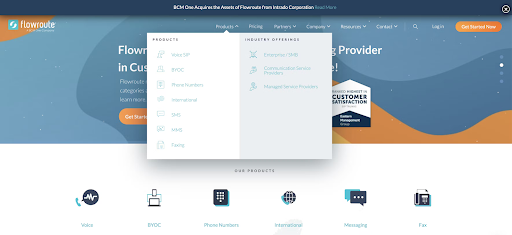
9. Flowroute
Flowroute specializes in providing carrier-grade SIP trunking services with powerful APIs and detailed analytics. It caters to businesses that require precise control over their voice services.
Key Features
- Number portability: Port numbers across carriers with automated verification tools.
- Route management: Configure primary and backup routes for inbound traffic.
- CDR access: Download detailed call records with comprehensive metadata.
- Capacity control: Adjust concurrent call limits in real time through an API or the portal.
Pros
- Extensive API capabilities
- High-quality carrier network
- Flexible routing options
Cons
- Limited non-technical support
- Minimal included features
Trial/demo/plan:
- Offers a free trial but doesn't specify the duration.
10. Telnyx
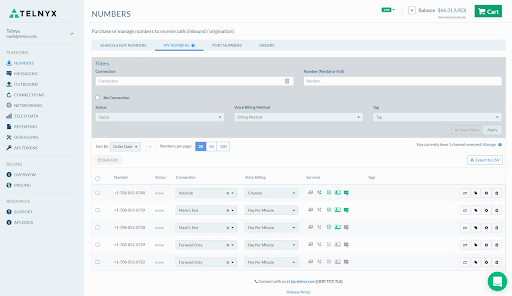
Telnyx delivers enterprise-grade SIP trunking with a focus on security and compliance, which is suitable for businesses with strict regulatory requirements.
Key Features
- Private network: Route calls through a dedicated, private IP network.
- Dynamic failover: Configure automatic failover across multiple providers.
- Number inventory: Manage global phone numbers through a centralized portal.
- Edge configuration: Deploy voice services closer to users for improved call quality.
Pros
- Strong security features
- Private network infrastructure
- Extensive compliance certifications
Cons
- Complex setup process
- Premium pricing for advanced features
Trial/demo/plan:
- Offers a free trial for 30 days.
11. AstraQom
AstraQom provides flexible SIP trunking solutions with a focus on international coverage and competitive rates for global businesses.
Key Features
- Global coverage: Access voice services in over 60 countries through local partnerships.
- Rate management: Control costs with customizable rate decks and routing.
- Fraud detection: Protect against toll fraud with real-time monitoring tools.
- Quality metrics: Track call quality and network performance across regions.
Pros
- Strong international presence
- Flexible contract terms
- Multi-language support
Cons
- Limited self-service options
- Basic reporting capabilities
Trial/demo/plan:
- Doesn't offer a free trial or demo.
12. SIP.US
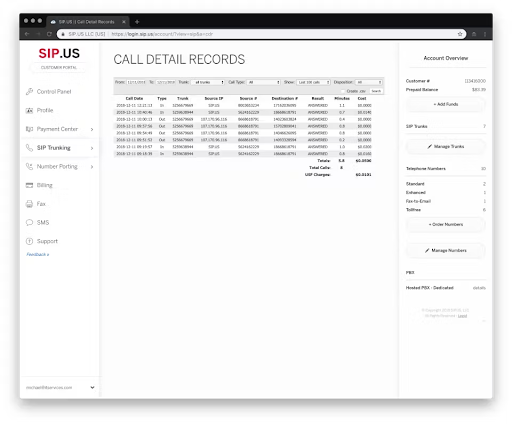
SIP.US provides straightforward, reliable SIP trunking without unnecessary complexity, making it a good fit for SMBs that want simplicity.
Key Features
- Instant activation: Get started with new trunks in minutes through automated setup.
- PBX compatibility: Connect with major IP PBX platforms using preconfigured templates.
- DID management: Purchase and port numbers easily across the US and Canada.
- Call configuration: Set up basic call routing and forwarding rules quickly.
Pros
- Simple, transparent pricing
- Easy setup process
- Good basic feature set
Cons
- Limited advanced features
- US and Canada focus only
Trial/demo/plan:
- Offers a free trial, including 60 minutes of outbound calling to the US and Canada.
13. Bandwidth
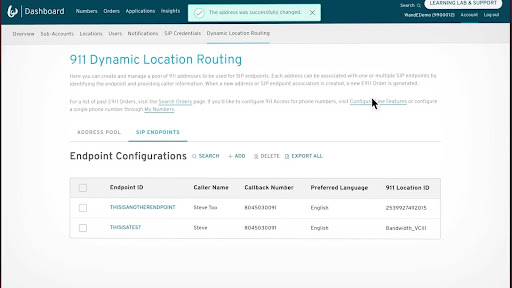
Bandwidth (formerly Voxbone) operates its own nationwide IP network and offers carrier-grade SIP trunking services with enhanced control and reliability.
Key Features
- Network control: Access direct-to-carrier voice services without intermediaries.
- E911 management: Configure and manage emergency services through an API or portal.
- Messaging integration: Combine voice and SMS capabilities in a single trunk.
- Port scheduling: Schedule number ports with automated validation checks.
Pros
- Owned network infrastructure
- Strong emergency services support
- Direct carrier connectivity
Cons
- Higher minimum commitments
- Complex pricing structure
Trial/demo/plan:
- Offers a free trial but doesn't specify the duration.
14. CallTower
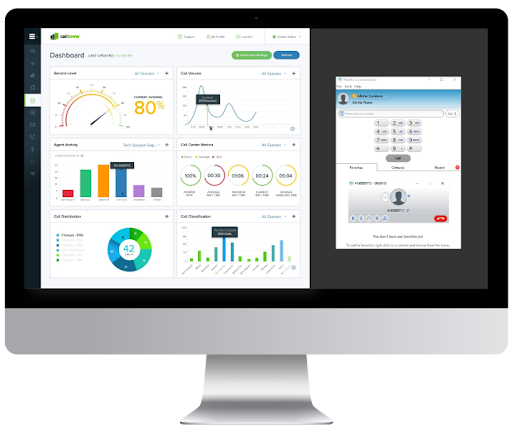
CallTower combines SIP trunking with managed UC services, which is ideal for enterprises that want a fully managed voice solution.
Key Features
- Managed service: Get full service management, including configuration and monitoring.
- UC integration: Connect with major platforms like Microsoft Teams and Cisco.
- QoS management: Ensure call quality with end-to-end monitoring tools.
- Security suite: Protect your voice services with enterprise security features.
Pros
- Comprehensive managed services
- Strong enterprise integration
- Professional implementation
Cons
- Higher cost than self-managed options
- Longer implementation timeline
Trial/demo/plan:
- Offers a demo.
15. IntelePeer
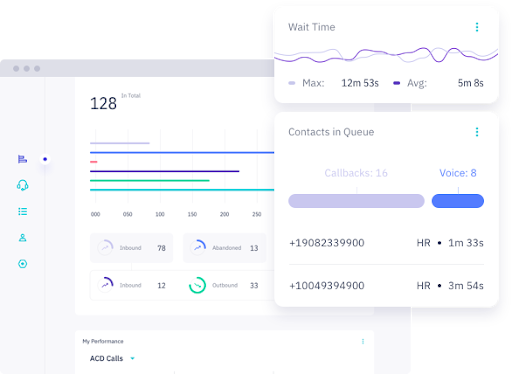
IntelePeer offers an automation-focused SIP trunking platform with strong CPaaS capabilities, suited to businesses building custom communications workflows.
Key Features
- Automation tools: Create custom communication workflows without coding.
- Communications API: Integrate voice services with external applications easily.
- Compliance tools: Maintain regulatory compliance with built-in features.
- Smart routing: Configure intelligent call routing based on business rules.
Pros
- Strong automation capabilities
- Detailed analytics
- Flexible integration options
Cons
- Complex feature set for basic users
- Requires planning for implementation
Trial/demo/plan:
- Offers a free trial for 30 days.
Features to Prioritize in SIP Trunk Providers
When evaluating SIP trunk providers, certain features can make or break your business communications. Here's a look at five of the key areas you should focus on.
Voice Quality and Network Reliability
Reliable voice quality ensures clear and uninterrupted communication, which depends on a strong SIP trunk provider with a robust global network. Low latency and minimal packet loss play a crucial role in maintaining call clarity. Choosing a provider with multiple data centers and redundant connections further enhances reliability and ensures consistent call performance.
Security and Compliance Standards
Phone system security is critical for protecting your business communications against cyber threats. A trusted SIP trunk provider strengthens security with encryption, fraud detection, and firewall protections. It should also comply with standards like GDPR, HIPAA, or PCI-DSS for secure data handling and regulatory adherence.
Integration Capabilities
Your phone system should work smoothly with your other business tools. Look for:
- Well-documented APIs for custom integrations and automation
- Support for common PBX platforms and protocols
- Built-in connectors for popular customer relationship management (CRM) platforms and help desk systems
- WebRTC support for browser-based calling
- Flexible data export options for analytics and reporting
- Custom webhook options for real-time notifications
Scalability Options
A reliable SIP trunk provider should scale easily with growing business demands. It should offer instant channel activation and flexible pricing, allowing companies to adjust capacity without delays. This scalability ensures smooth operations, whether businesses expand internationally or manage seasonal call volume spikes.
Support and Service-Level Agreements (SLAs)
A reliable SIP trunk provider should offer strong customer support for quick issue resolution. It should provide 24/7 technical assistance, proactive monitoring, and clear SLAs to maintain uptime and performance. Choosing a provider with a strong support team minimizes disruptions and ensures business continuity.
How to Choose the Right SIP Trunk Provider
Businesses invest in SIP trunking to support hybrid work, remote access, and cost savings. According to S&S Insider, US financial institutions reported up to 40% savings after switching to SIP trunking from traditional systems in 2023. Additionally, 65% of North American companies adopted SIP trunking by 2024, and there was strong growth in Europe and the Asia-Pacific.
To reap these SIP trunking benefits, you need to select the best SIP trunk provider based on your needs. There are several factors you should consider:
Business Requirements
Selecting the right SIP trunk provider starts with understanding your business's needs. Determine your call volume, expected growth, and international calling requirements to narrow down the best options.
Businesses operating in multiple locations should prioritize providers with global coverage. Businesses with remote teams need advanced mobility and collaboration features to ensure uninterrupted communication.
Technical Considerations
Your current technical setup plays a crucial role in choosing the right provider. Start by reviewing your existing PBX system compatibility and available internet bandwidth. A good rule of thumb is to allocate 100 kbps of bandwidth for each concurrent call you plan to handle.
Additionally, consider your IT team's expertise and availability for managing the system. Some providers offer fully managed services, while others expect your team to handle most configurations. You should also think about your disaster recovery needs, including backup connections and failover capabilities, to keep your communications running during outages.
Budget Planning
Pricing structures vary across providers, so you should evaluate costs carefully.
The two most common pricing models are cost per call and cost per minute:
- Cost-per-call offers a flat rate per call, regardless of duration. This model benefits businesses that typically see long conversations, such as customer support teams or sales operations.
- Cost-per-minute charges based on call duration, making it ideal for companies with shorter calls or lower overall usage.
Some providers also offer unlimited calling plans for domestic and international calls, while others provide metered plans with pay-as-you-go pricing. Understanding these models helps businesses choose the most cost-effective option while ensuring high-quality service.
Related: SIP trunk pricing guide and cost reduction tips
Implementation Timeline
Create a realistic timeline for switching providers. The process typically starts with contract review and network assessment, followed by number porting preparation. Most implementations take 4–6 weeks from signing to full deployment, but this can vary based on complexity and scope.
Because of this, you'll need to plan for adequate testing time, including a pilot phase with a small group before full rollout. Be sure to also include time for team training and collecting user feedback to optimize the system after deployment.
Still weighing which provider fits a multinational footprint?
AVOXI delivers global coverage across 150+ countries, carrier-grade call quality, and enterprise-grade security on a single consolidated platform.
FAQs About SIP Trunk Providers
How many SIP trunk channels does my business need?
Your business needs one SIP channel per simultaneous call. A typical office requires one channel per three to four employees, while call centers and sales teams need more due to higher call volumes. Some providers offer burstable channels for peak times. Estimating peak traffic prevents overpaying for unused capacity.
What security certifications should I look for in a SIP trunk provider?
The certifications you need depend on your industry's requirements. Most businesses should look for SOC 2 Type II certification at a minimum. Healthcare organizations also need HIPAA compliance, and companies that handle payments need PCI DSS certification. Ask potential providers about their security measures and how they maintain compliance with relevant standards.
Can I keep my existing phone numbers when switching SIP trunk providers?
Most providers, including AVOXI, support local number portability so you can transfer existing numbers. The process typically takes a few days to a few weeks, depending on the provider and location. Checking porting timelines and potential fees upfront helps you ensure a smooth transition without disrupting your business's operations.
What is the difference between SIP trunking and a hosted PBX?
SIP trunking carries voice over the internet to a phone system you operate, often your existing on-premises PBX. A hosted PBX moves the entire phone system into a provider's cloud, with call control and features managed for you. Many enterprises pair the two—cloud PBX features over SIP connectivity.

You Might Also Be Interested in

Need Help Getting US Phone Numbers?
We're here to help! Contact us today so we can help find the right business phone number for you.
Trusted by over 5,000 global brands